Everything To Know About Setting Budgets

The idea of setting budgets and learning how to stick to them is a key skill to getting our finances on track, but what does it all mean? After all, it’s one thing to say that we’re going to put money to one side, but it can often be easier said than done.
Everything to know about setting budgets could be the thing we need to learn how to plan budgets, stick to our goals, and how to keep things realistic. After all, it’s hard to find a worse feeling than failing to meet our goals. Why set yourself up for failure when we could thrive instead?
Figure out how much money you have coming and going each month
Learning how to start setting budgets is the best place to begin, and it’s all about figuring out how much money you have going in and out of your bank each month. Start with your income - things like your salary, any freelance work, gifts, child support, Social Security, or anything else extra you have to spend each month. From there, add up all your recurring expenses. These are things like insurance, mortgage, or rent payments. Then you need to consider your variable expenses like groceries and gas and try to create an average. Finally, subtract your expenses from your income to check that you, at the very least, break even each month, with hopefully some left over.

Use multiple ways to stick to a budget
There are plenty of ways we can stick to our budget, such as tracking our expenses at regular times throughout the month to see if we have gone over or under budget. Another idea is to use cash instead of our credit or debit card if we’re worried about overspending. We should also review our budgets at the end of the month to see if we were significantly over or under our budget or if things have changed. If you’re struggling to stick to your budgeting goals, you might need to reconsider how much money you allow for each aspect of your life or find an accountability partner to keep you on track.
Consider the different types of budgets
Budgets are there to keep track of our spending and to make sure that we don’t spend too much of our money on unnecessary aspects of our lives. However, they don’t all look the same. Zero-based budgets mean that every dollar in our accounts has a job, and nothing is left to chance. Cash envelope budgeting sees us put physical money into labeled envelopes and spend on each aspect of our lives from there. Percentage-based budgeting sees us assign a certain percentage of our income to different areas of our lives, such as 50% to needs, 30% to our wants, and 20% toward debt repayments and savings. Each comes with its own benefits, and sometimes we need to try a few to find which one works for our lives.

What are the pros of setting budgets?
Of course, there are plenty of benefits that come from setting budgets. For one, it gives us more control over our savings and spending as we know where our money is going. It also helps to reduce any financial stress we might have as we can build up an emergency fund in case something happens while helping to keep track of where our money is going.
What are the cons of setting budgets?
While there are plenty of benefits to setting budgets, there can be some drawbacks, too. One is that it requires a lot of commitment to set our budget at the beginning of it all and to stick to the plans we have made. It can also feel restrictive for some, which is why having a section dedicated to having fun could be a good idea for many. We also need to learn how to have impulse control, especially if we’re used to spending money as we please, and this is the first time we’re setting budgets.
Why are budgets important?
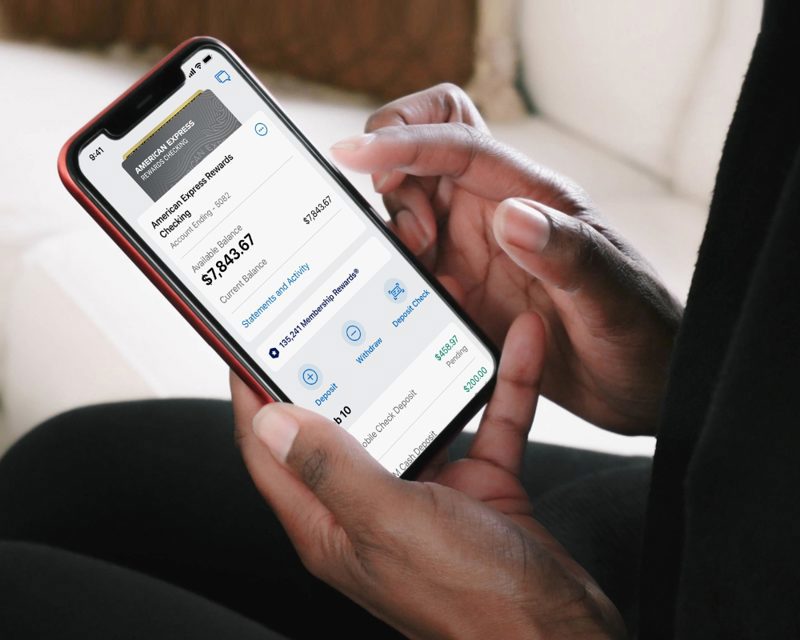
It can be easy to keep using our credit or debit cards without checking our account, only to find we have completely overspent on certain aspects of our lives. Having a budget in place can be the thing we need to keep our finances on track and finally stop spending our money on something that we don’t need. They can also help to create healthy savings and avoid debt if we know how much money we have to play with in different areas of our lives.
Earning everything to know about setting budgets might sound simple on the surface, but there is more to it than it seems. Thankfully, getting our budgets in place and learning how to stick to them could be the thing we need to get our finances on track once and for all.
You May Also Like
 Finance
What to Put in Your Personal Money Checklist
 Finance
The Essential Financial Fraud Warning Signs
 Finance
How Big Should an Emergency Fund Be for You?