Things A Small Business Needs To Consider When Starting A 401(k)

Running a small business means there are so many things to consider. While it might not be on the same scale as some of the bigger names, there are some things all owners need to consider - including retirement plans. Sure, it might sound scary to start, but the things a small business needs to consider when starting a 401(k) don’t have to be confusing.
There is no one-size-fits-all approach when it comes to planning retirement. Still, with the Job Openings and Labor Turnover Survey run by the Labor Department revealing there were almost twice as many career openings compared to people applying for jobs, having an appealing retirement plan could be the thing you need to attract new workers over everyone else.
There are several different types of 401(k) plans
When it comes to 401(k) plans, it’s important to consider all the different ones on the market. Traditional options mean employees can regularly set aside a portion of their earnings - pre-tax - into an account that automatically invests their money. Then, an employer can choose how much to contribute, either a set amount or matching the employee’s percentage. These will grow over time until an employee is just under 60 years old, when they can withdraw money without penalties. A Roth 401(k) plan is different, as employees contribute a set percentage of earnings after tax. A safe harbor 401(k) sees a minimum of 3% from all participants or a specified amount of at least 4%. A profit-sharing 401(k) plan sees employees defer a set amount of their earnings toward retirement contributions, with employers able to make larger contributions at a time. Finally, an automatic 401(k) plan is just that - an automated system that sees employees automatically set aside a set amount of their pay package for every pay period unless they opt out and can come with several tax benefits.
It’s important to get all of the documents in place
Small businesses still need to follow the same rules as big companies, including filing the correct paperwork. The plan chosen and the type of business will depend on what documents are needed, but most require a written plan of the retirement fund, a system to track records, a trust to hold the assets, and information that’s made available to employees. Several professionals can be hired to ensure everything is in place, but, of course, these come with their own fees. From there, employers need to give employees a summary plan description to outline who will be contributing what and any information that they will need about the chosen plan.
Think about what you need from a 401(k) service provider
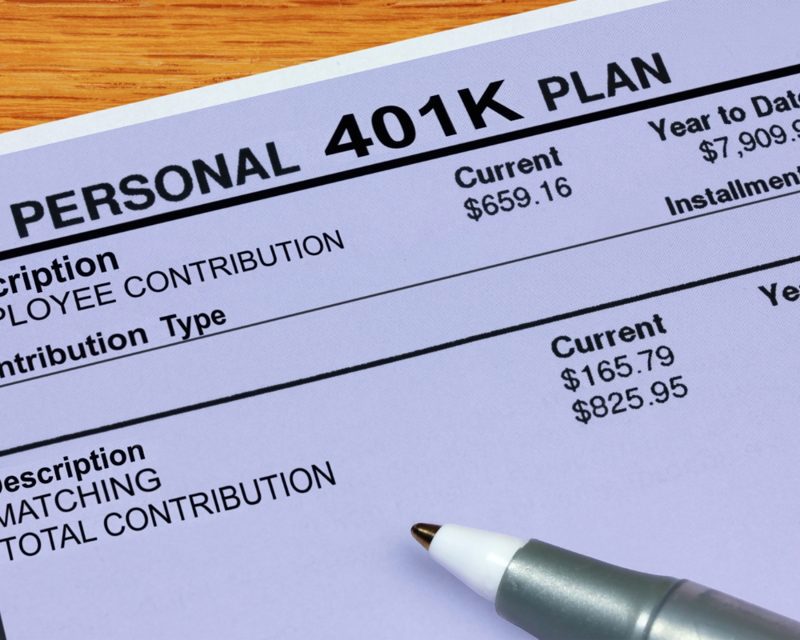
One thing that comes with offering 401(k) plans is that employers are potentially liable for things that go wrong. Service providers handle all the operations and can take away a lot of liability, but that doesn’t mean it’s gone altogether. Before picking a 401(k) service provider, think about the company’s partners, assets already managed, and your financial stability. You also need to think about how you conduct your business. Who will be in charge of choosing 401(k) plans, and who will manage the finances? Who will track what money is going where and if payments have been made?
There are still reports that need to be filed with the government
One of the biggest benefits of a 401(k) plan is that any company contributions are tax-deductible. In turn, any money set aside can grow with a deferred tax burden. Still, small businesses need to report this to the government through a specific IRS document known as Form 5500. Companies with less than 100 employees will need Form 5500-SF. Here, you will need to share how many people use the plan and information about your 401(k) plan, as well as details of the assets, income, and liabilities. Only have one person on the plan? Then you need Form 5500-EZ. Finally, some employers will have to go through annual testing of their 401(k) plan to ensure you’re not discriminating against employees who have lower incomes, but there are plenty of helpful checklists available through the IRS.
Small businesses need to consider how to terminate a 401(k) plan
Most of the time, 401(k) plans are there to be set up and run for someone’s entire working life. However, there are times they might need to be terminated. Companies need to set in place what date this will happen, ensure all contributions are halted, inform all account users of the termination, and ensure the company will distribute all the plan’s benefits within a year of its ending. Any outstanding amounts that need to be paid into the 401(k) plan need to be paid before it’s terminated, and everyone involved needs to be informed of what will happen and by what date.
The things a small business needs to consider when starting a 401(k) plan don’t have to be confusing. The best bit? They can keep employees happy and work toward a better business.
You May Also Like
 Finance
What to Put in Your Personal Money Checklist
 Finance
The Essential Financial Fraud Warning Signs
 Finance
How Big Should an Emergency Fund Be for You?