How Does Paying Bills Online Actually Work?

The world has changed a lot over the years. What started as one person going from house to house to collect money turned into people having to send checks or money in the mail. Now? Most of our bills can comfortably be paid from the comfort of our own homes.
However, have you ever stopped to think about how paying bills online actually works? You’re not alone. It can be a great way to ensure all of our bills are paid on time, but some might find it overwhelming to have money coming out of different accounts and going to different places, which is why understanding how it works is so important.
What is paying bills online?
Simply put, paying bills online is a way to pay what you owe over the internet, usually through an app or a website. Most places offer ways to pay online, making it as easy and simple as it can be for users. This works by telling somewhere where you want the money to come from, such as your checking account or somewhere else you store your money. However, others offer ways to use your credit cards or savings accounts. All of these bills are then processed through an online bill pay service site that handles the rest.
How much does it cost to pay bills online?
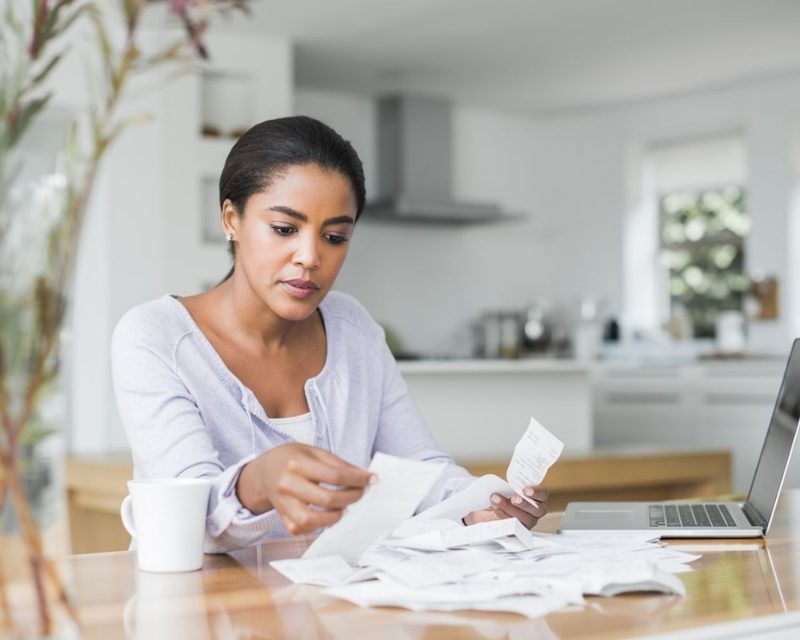
Most of the time, banks and websites don’t charge anything at all for paying your bills online. If not, you might want to think about changing banks to one that suits your needs a little better. As if that wasn’t enough, there are plenty of standalone bill pay companies that mean we can pay from a certain bank account and have access to special features, such as looking at our upcoming payments or looking at what proportion of our money is being spent where each month. If you want access to more features, such as tracking years worth of bills or specifying several different payments, you might find you need to pay a monthly fee. However, they can be beneficial for people looking to cut down postage costs that come with sending checks.
Are electronic transfers better than paper checks?
There are pretty much two ways we can pay our bills: with paper checks or through electronic transfers. The latter is usually a seamless transaction that’s free of fees, can be set up to send on a particular date each month, and can be canceled when needed. Paper checks mean we need to have a checkbook and access to a mailbox - as well as the funds to cover the postage costs. They also mean we usually need to plan ahead if a bill needs to be paid by a specific date and be prepared in case our check gets lost in the mail.
Will an online payment be protected?
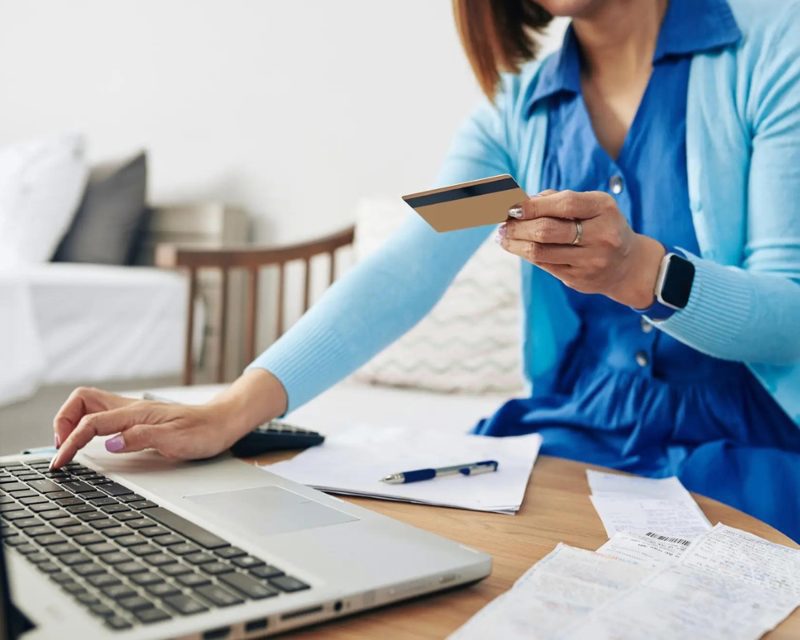
One thing that puts people off paying bills online is the idea that someone could intercept our payments and put us at risk. Thankfully, these payments are protected as they are heavily encrypted to prevent any fraud or theft. A lot of the time, they are also protected through passwords and multiple levels of verification to ensure no one can spend our money without us knowing. Sometimes, services also guarantee that our bills will be paid on time, meaning we don’t have to worry. Just be sure to keep yourself as safe as possible, such as not clicking on links from emails in case they are fakes, logging in through a web browser using a unique password, and signing up for multi-level authentication if it’s offered.
How does paying bills online actually work? It turns out there’s a lot more to it than meets the eye, but most of the time, we don’t have to worry about what’s going on behind the scenes. Instead, we can sit back and relax as we manage our finances without even having to leave the house.
You May Also Like
 Finance
What to Put in Your Personal Money Checklist
 Finance
The Essential Financial Fraud Warning Signs
 Finance
How Big Should an Emergency Fund Be for You?