A Complete Guide To Inflation Jargon
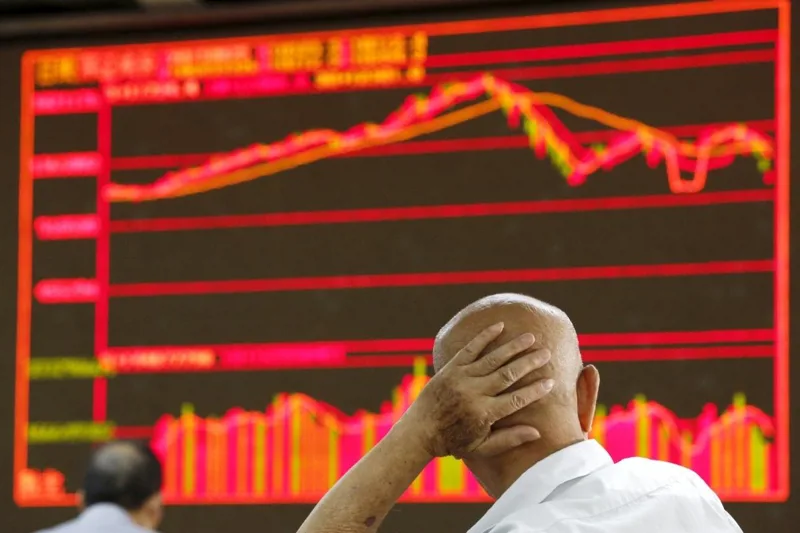
Each new year usually brings new words to life. For many, the last few years have been filled with the likes of “WFH” or “furlough.” However, 2022 has something new to add to the list: inflation. There’s a good chance that many of us have never had to think too much about inflation in the past.
Still, the changing financial climate means it’s something we can’t afford to avoid. So what do all the new words mean, and how might they affect us? The complete guide to inflation jargon should hopefully take things that might cause confusion and make them a lot simpler to understand.
Inflation means a sustained increase in general prices
Let’s start at the beginning of inflation jargon: what is inflation? It means a sustained increase in price. While certain things have dips and peaks when it comes to how much they cost, that doesn’t always mean it’s down to inflation. Instead, inflation talks about a constant increase in the cost of most general things. Inflation in the US is currently the highest it’s been for 40 years, meaning plenty have heard the word thrown around in recent months. This means everything from gas to groceries and just about everything in between is now costing more than before.

The core inflation rate talks about everything other than food and energy
When it comes to measuring inflation, there is plenty to consider. However, two things that are known to change more than most in our daily lives are energy and food. Both of these can also be affected by inflation and will rise and fall. However, they can drop and grow faster and more erratically than other core aspects of our lives, which is why experts typically look at the core inflation rate instead.
Soft landing describes a way to slow the economy
If you’re on a plane, there’s a good chance you want to come in for a soft landing instead of a sharp crash, right? After all, the likelihood of something going wrong with the latter is a lot higher, and it will cause a lot more damage. One of the more complicated pieces of inflation jargon is a soft landing, but it doesn’t have to be that difficult. It’s used to describe officials raising borrowing costs to slow down the economy, meaning it should lower out at a softer rate. Of course, this is a tough balancing act as raising borrowing costs too much could lead to a recession.
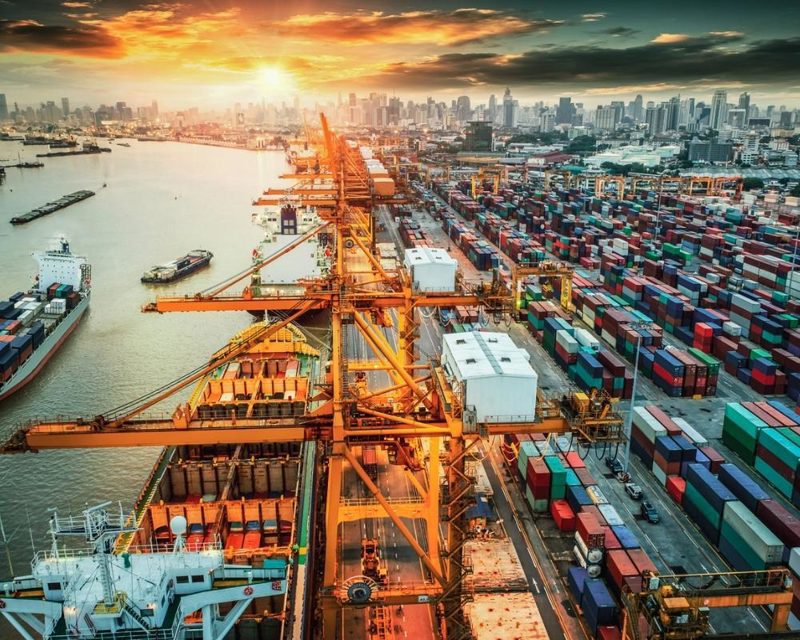
The supply chain is how many goods are available and how they can be transported
The supply chain is a chain of events that takes goods from their raw material to something delivered to our door. This includes anything like furniture, groceries, or just about anything else we could need in abundance. However, a smooth supply chain relies on everything going to plan, or it could create a bottleneck situation. This could be something like goods arriving but not having the staff and trucks to get them unloaded and off to stores. If this happens, then things often get expensive for people stuck on the wrong side of the bottleneck.
Stagflation is used to describe several knock-on effects of inflation
Stagflation might be a term more commonly heard in the states with the highest unemployment rates, as it’s used to describe a multitude of things that can come as a result of inflation. This includes high unemployment, slow economic growth, and high inflation that can all have serious effects on people’s lives. Inflation typically occurs when the economy is growing, but there is a high unemployment rate, but 2022 has many experts believing a state of stagflation could be on the way.
It turns out that learning everything there is to know about inflation jargon might not be as challenging as it seems. In fact, learning the basic meanings of all the terms that so many of us are used to hearing thrown around in the media could suddenly make things a lot easier to understand.
You May Also Like
 Finance
What to Put in Your Personal Money Checklist
 Finance
The Essential Financial Fraud Warning Signs
 Finance
How Big Should an Emergency Fund Be for You?