Here's Why Everyone Needs A Career Emergency Plan

Finding our perfect job can be enough to see some of us settle back and get comfortable. Unfortunately, life is full of the unexpected, so we sometimes have to think on our feet. Changes in the market, new bosses, and falling out of love with our careers are just some of the things that might mean it's time to find a new job.
Whatever the case, there are plenty of reasons that everyone needs a career emergency plan. While it can seem like something we don't need, spending a moment to put one in place could make the difference between being prepared for a change in career and suddenly finding ourselves swamped with the pressure of finding a new job.
What is a career emergency plan?
Even if we work for ourselves, no job is ever 100% safe. There are a host of reasons we might need to leave, and not all of them are in our control. So what is a career emergency plan? This is having savings and a plan aside just in case we find ourselves out of work for a short period of time. It should mean that we're instantly ready to jump back into searching for a new career if we suddenly find ourselves in the situation.
Keep your resume updated
One of the best ways to create a career emergency plan is to keep your resume up to date. If you already have one from your initial job search, then you should have done the hardest part. All you need to do is add on the new roles and responsibilities that you take on at work to ensure you're always selling yourself in the best light. Don't forget to add any qualifications or courses you take along the way, too.

Budget for a period of unemployment
While most people don't want to think about being unemployed, having a budget for that should mean that losing our job or walking away from our career is less stressful than suddenly being without work. One of the ways to do this is to build up to having a certain number of months' wages saved away. For some people, this could be a few thousand dollars to cover a couple of months of no work. For others, they want to have a year saved away just in case.
Top up your savings while still in work
Learning that you're about to lose your job or deciding you've had enough and handing in your resignation is probably too late when it comes to starting a savings account. That is unless you're guaranteed a huge payout from your former boss. Instead, be sure to top up your savings account while you're in work so you have a financial cushion just in case. Some people prefer to do this by putting away a percentage of their paycheck each month, while others add a certain amount.
Always keep networking
Networking can often be just as vital to finding a new job as getting your name out there online. That's especially true if you plan on staying within the industry. There's a good chance you could be working with the same people in another position, so getting to know someone could boost your chances of landing future work. In fact, plenty of roles are hired through the grapevine if they have someone in mind. Be sure to keep business cards on you and attend as many networking events as possible.
Check multiple channels for jobs
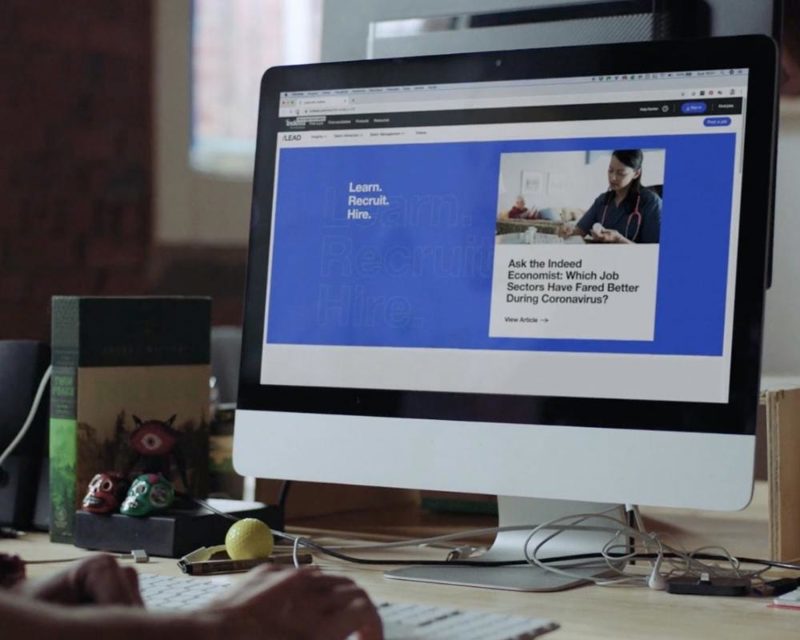
It can be easy to check the same websites for jobs. However, that could mean we miss out on great opportunities simply because we weren't looking in the right places. Instead, be sure to check multiple channels and set up alerts for job roles that could be of interest. This doesn't just go for when you're searching for a job. When creating a career emergency plan, it's all about keeping up to date with the positions on the market just in case something better comes along or you find yourself looking for a new role.
Creating a career emergency plan might sound daunting, but it doesn't have to be that tough. In fact, some small changes could be all many of us need to ensure changing careers is as stress-free as possible.
You May Also Like
 Finance
What to Put in Your Personal Money Checklist
 Finance
The Essential Financial Fraud Warning Signs
 Finance
How Big Should an Emergency Fund Be for You?