All The Options For When You Can't Pay Your Utility Bills

The cost of living has hit most of us pretty hard, with some wondering how they will make it from month to month. Even if you have managed to make it through so far, things like losing your job or an unexpected disaster can really knock your finances on its head.
Thankfully, not all hope is lost, especially when it comes to paying our utility bills. It can be stressful to think we’ll miss payments or end up in more debt than we can manage, but what if there is help out there? Taking a look at all the options for when you can’t pay your utility bills could be just the thing so many of us need right now.
What happens when you can’t pay your utility bills?
Utility companies won’t immediately cut off your services the moment you miss a payment. Most of the time, we get at least a day or two to get the money to the company, which is great if you suddenly realize you’ve missed a payment without realizing it. However, if you deliberately haven’t paid your bill because you know that you don’t have enough to cover the bills, the worst thing you can do is remain silent. This can quickly lead to a domino effect, meaning it’s harder and harder to catch up with your payments. Missing payments can also affect your credit score, which can go a long way toward your financial future. If you have certain medical needs or are on life support, you might find your utility company is banned from cutting off your services, regardless of whether you have paid or not.
The Low-Income Home Energy Assistance Program comes with certain limitations
The Low-Income Home Energy Assistance Program - better known as LIHEAP - is a federally funded scheme that is run through the Department of Health and Human Services. It’s designed to help with people’s home bills, especially during times of crisis. However, there are some limitations when it comes to who is entitled to this. Those on low incomes with children, seniors, or disabled members of the family are the ones LIHEAP is designed for, but that’s not all. Most of the time, someone has to have a total household income that’s at or below 150% of the federal poverty level. For example, someone living on their own must earn $19,320 a year before tax, while a four-person family must bring in $39,750 or less before tax. Before applying, you need to have a copy of your most recent utility bill and proof of everyone’s income in the household. From there, a state program administrator will be able to help and offer more information.

The Salvation Army might be able to assist in certain situations
The Salvation Army has done incredible things to help all kinds of people who need it, and it turns out they can also aid when you can’t pay your utility bills, depending on your situation. Local branches of the organization might have partnered with utility providers to help provide emergency assistance to those in need. Each program has its own limitations, often assisting the elderly or disabled, or households on a low income. Other situational aspects might apply, such as not having access to help from others and having already missed a payment on your utility bill.
Calling 211 can direct you to community-based organizations
You can call 2-1-1 from anywhere across the US to learn about local community-based organizations that might be able to help when you can’t pay your utility bills. Some offer emergency assistance, while others put you in touch with other organizations that might be able to help. Whatever the case, these are groups working in the area who are more likely to have access to help and assistance that you can reach from your home.
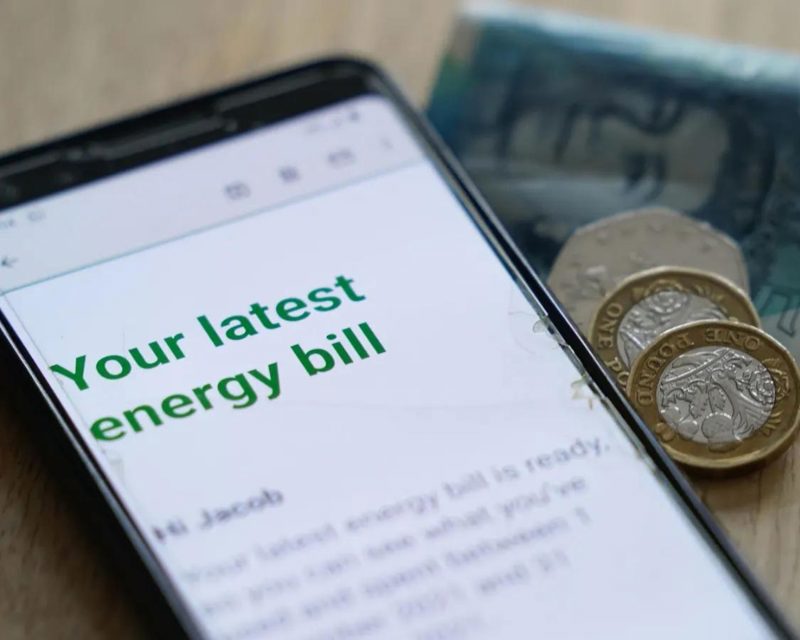
Lowering our utility bills can go a long way in the future
While it might sound simple, learning how to lower your utility bills can really go a long way when it comes to keeping your costs down so that payments don’t become an ongoing issue. This could be something like looking at bill budgeters to smooth out the seasonal fluctuations, such as spending more on heating in the winter or air conditioning in the summer. Several providers also offer “time advantage” billing, which means you get charged less for using electricity at off-peak hours of the day. Also, be sure to make your home as energy efficient as possible, such as sealing your windows, investing in thicker drapes to keep out the cold, and that your appliances aren’t draining your energy without you realizing it.
All the options for when you can’t pay your utility bills come in all shapes and sizes. However, the most important things to remember are to try and avoid panicking and to always reach out and ask for help when you need it - not when it all gets too much to handle.
You May Also Like
 Finance
What to Put in Your Personal Money Checklist
 Finance
The Essential Financial Fraud Warning Signs
 Finance
How Big Should an Emergency Fund Be for You?