How To Create A Budget For Your First Apartment

The idea of spreading our wings and making a home for ourselves after so long of living under someone else’s roof can feel like an exciting time for so many. Then there’s the stress that comes with it all. Sure, our own space is a great way to feel like an adult and get some freedom, but what about when it comes to paying the bills and covering the cost of it all?
Thankfully, things don’t have to be as stressful as they seem on the surface. Instead, it’s all about learning how to create a budget for your first apartment - and yes, that can be doable if you know how.
Why is budgeting for an apartment important?
While some of us like to live by the idea that we will do something and worry about the consequences later, that can have some severe after-effects when it comes to budgeting for your first apartment. After all, getting into financial worries can feel impossible to get out of, and finding yourself without a home and rising debt isn’t a place that most people want to be. That’s why budgeting for an apartment is the best place to start before you begin house-hunting. After all, finding your salary won’t cover the costs is something you want to discover before you sign along the dotted line and not after.

Take into consideration everything you need to pay
There are plenty of ways you can think about how you will pay for everything when it comes to your first apartment. Some places offer utilities in the rent, which makes budgeting even easier. However, this isn’t always the case. If that’s the situation, think about the different things you need to pay. Rent should stay the same each month, but it will likely be the largest part of your payments. Then there is the electricity and any natural gas you use at the apartment. Of course, you can’t forget about your water bill, either. Internet and cable might be a necessity for many of us, and this is another thing to add to the budget. There’s also the security deposit, which is likely to be one month’s rent at a minimum, and any other miscellaneous costs, such as pet fees, parking, storage, pest control, or garbage pick up, depending on your situation. On top of all of this, you will likely find you have to pay administration fees if you apply for an apartment through a management company, you might have to cover utility deposits, and there is the renter’s insurance that means your things are covered in case of an emergency.
Learn ways to keep the cost of your apartment down
It can be daunting to see just how much living in your first apartment can cost, but there are ways that we can keep things more manageable. For example, why not look at a basement apartment or studio if you live somewhere where rent is already high to keep the costs low? Living further away from the city center is also likely to see the price of rent drop compared to living in the thick of it all. However, you also need to take into consideration all the transportation costs. If you have to travel for work and will end up paying high bills to get there because you chose somewhere further away, will it really work out more affordable in the long run?
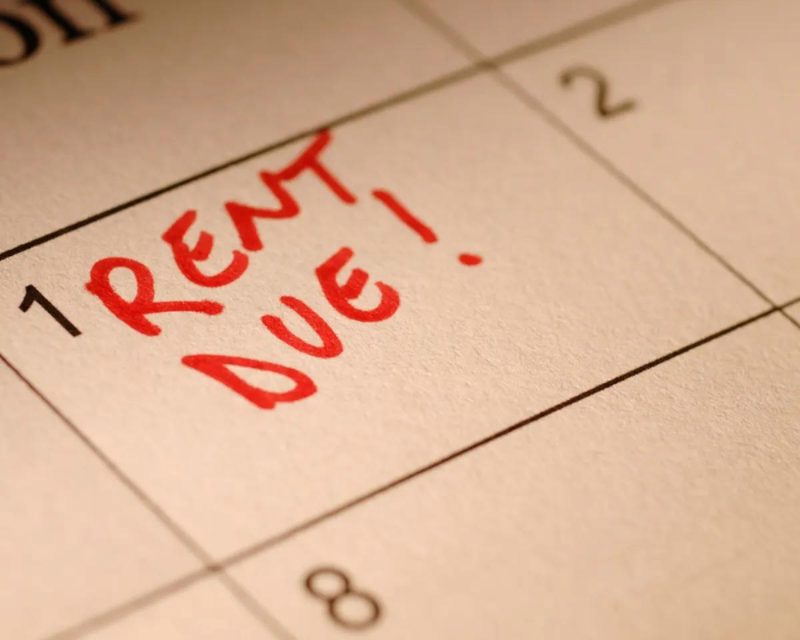
How much rent should someone be paying?
There is never a right answer when it comes to how much your first apartment will cost, but you can look at other properties in an area to see how much they are being rented out for to know if you’re getting a good deal or not. However, there are some personal rules to take into account. A general rule is that rent shouldn’t be more than one-third of your paycheck to ensure you have enough money left over to cover the rest of your life. So, if you earn $3,000 a month, an apartment at $1,000 or less a month is a good place to start.
Learning how to create a budget for your first apartment is one of the best things you can do before you start house-hunting. After all, if you know how much money you have to play with, it can make finding the right place easier than ever from the get-go.
You May Also Like
 Finance
What to Put in Your Personal Money Checklist
 Finance
The Essential Financial Fraud Warning Signs
 Finance
How Big Should an Emergency Fund Be for You?