OpenAI Says It's "Impossible" To Create AI Without Copyrighted Material

Artificial intelligence is a huge topic of discussion right now. The technology seems to have come leaps and bounds in recent years, to the point it’s starting to have a significant impact on various industries. While some people are very happy about that, plenty of others are greatly concerned by the rate at which things are developing. One of the biggest issues that critics have against AI is the way it uses copyrighted materials.
Some of the loudest voices against this technology have been creatives who have seen their work reinvented by artificial intelligence. It can be deeply upsetting to invest so many hours into something, only for someone else to basically recreate it in an instant with minimal effort. Unfortunately, with OpenAI now saying it’s “impossible” to create AI without copyrighted material, it’s difficult to know how things progress from here.
AI can benefit us but needs access to copyrighted material to do so
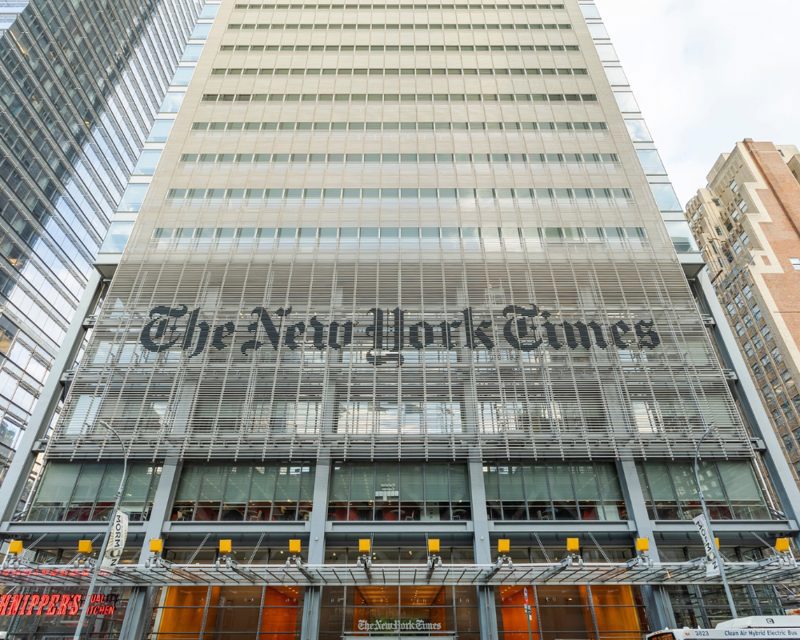
AI tools like ChatGPT definitely have their uses, and the development of AI isn’t necessarily a bad thing. After all, it can help to alleviate some of the responsibilities that many workers deal with, perhaps taking away some of the more minor tasks they need to do. Given the potential this has to shorten the workweek and reduce stress levels, it is something that can be embraced. However, we can’t pretend that such tools are without their flaws. That includes the fact that they’re “trained” using existing data from the internet, most of which is copyrighted. It’s actually led to a lot of trouble already, with the New York Times even suing OpenAI over claims about the AI’s “unlawful use” of the publication’s work. The problem is that artificial intelligence can’t develop to benefit us if it doesn’t have existing material to learn from.
OpenAI believes in “fair use” when it comes to copyrighted materials
Copyright is a valuable thing for many creators, no matter what content they produce. It ensures that they have ownership over what they produce so that others can’t simply replicate it with minimal effort. However, because of how much content copyright covers, OpenAI has said it would be “impossible to train today’s leading AI models” without breaching this protection. If they were to respect copyright, it would result in AI systems that don’t “meet the needs of today’s citizens.” This was after the company had previously claimed to respect “the rights of content creators and owners,” with OpenAI believing that the New York Times’ lawsuit is “without merit.” Their defense very much seems to lean towards “fair use” - something that has long been present with copyright - and claims that “copyright law does not forbid training.” Evidently, the law hasn’t been updated to reflect modern circumstances.
Various AI companies have received lawsuits from creators
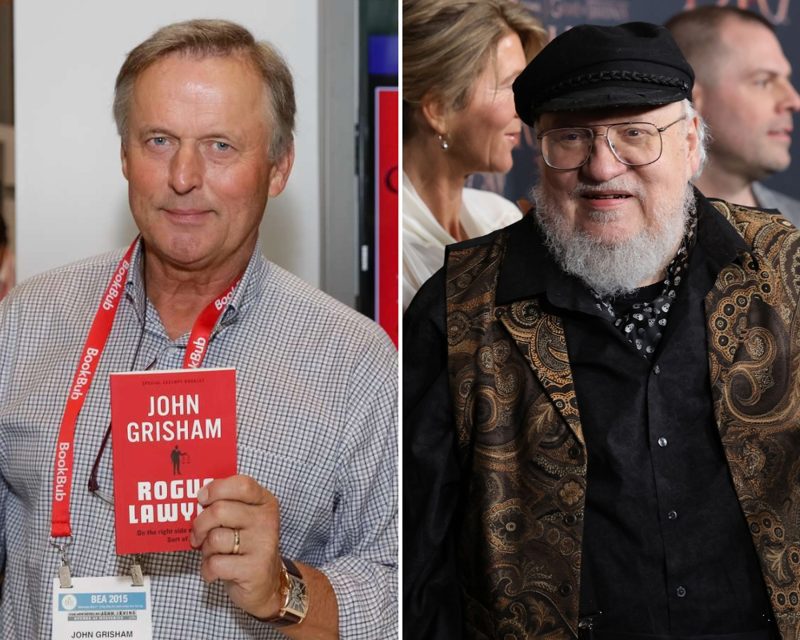
Of course, this legal dispute between OpenAI and the New York Times is just one example of such a thing happening in the world. Plenty of creatives have been lashing out at artificial intelligence companies recently as fears grow over the protection of content. Getty Images has established a lawsuit against Stability AI for reported copyright breaches. Meanwhile, Universal Music and other music publishers are taking on Anthropic for the use of copyrighted song lyrics to train their Claude chatbot. You also have authors like John Grisham and George R. R. Martin, who have accused OpenAI of “systematic theft on a mass scale” in 2023. While AI might be highly popular with some and considered to be the future, it’s not something that’s going to be embraced without resistance. Indeed, there will always be opposition if stuff isn’t done to protect existing works and limit what AI can train with.
With the rate at which AI is progressing, it’s perhaps no wonder that so many lawsuits seem to be cropping up. This technology is developing faster than many anticipated, and it’s raising huge concerns about the future livelihoods of many creators out there. Hopefully, though, something will be done to restore the balance and allow artificial intelligence to continue growing without encroaching on other people’s work.
You May Also Like
 Finance
What to Put in Your Personal Money Checklist
 Finance
The Essential Financial Fraud Warning Signs
 Finance
How Big Should an Emergency Fund Be for You?