Could AI-Generated Content Be Damaging Our Health?

There aren't many topics more widely discussed in the world right now than artificial intelligence. Conversations regarding AI are hardly new - they've merely been growing in frequency quite significantly in recent years. However, at this point, seemingly everyone has an opinion on the matter, whether they be for or against this technology.
It's easy to see things from both sides of the argument. On the one hand, AI makes our lives easier in a lot of ways, and it's more integrated into what we use regularly than many of us realize. On the flip side, though, it's growing at a rate that risks getting out of control, and the fears people have about the future of this intelligence shouldn't be ignored. That’s led to many people asking the same thing: could AI-generated content be damaging our health?
Cognitohazards are a fictional concept that seems to be becoming all too real
If you've not heard of the term cognitohazard before, it was coined by the collective fiction project SCP to refer to ideas that can cause harm by thinking about them. Initially, it sounds like the stuff of sci-fi work, and the genre has indeed produced content that utilizes this concept. 'Snow Crash,' a 1992 novel by Neal Stephenson, is the perfect example of this. The plot of the book revolves around an image that hijacks a person's brain, potentially ending their lives because the mind cannot process it. Unfortunately, while that is very much a piece of fiction, cognitohazards may well exist in the real world, and AI might be responsible for them.
It's becoming increasingly difficult to tell what is and isn't a deepfake
It's becoming increasingly difficult to trust what you see online. The development of deepfake technology means that content that doesn't have roots in fiction is constantly being posted on the internet. This poses a very serious problem, given the potential it has to sway people to think, act, or vote a certain way. It allows those with a dangerous agenda to gain more traction for their way of seeing the world, which could have serious consequences for the future. The rate at which this technology is developing means the ability to tell what is and isn't a deepfake created by AI is becoming diminished. While experts are still doing their best to highlight this false content, they're starting to be pushed to their limits.
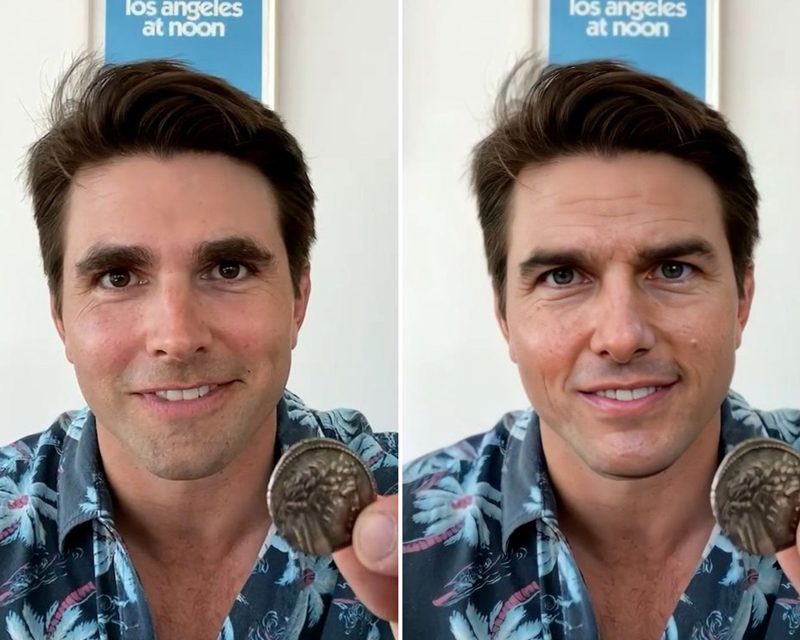
The prevalence of deepfakes could be considered a cognitohazard
Without this guidance labeling content as real or fake, the average person online today may not be able to tell what is and isn't a deepfake. Many of us have become so accustomed to accepting what we see as fact that even if we're told afterward the content wasn't genuine, our brains might not be completely convinced. That alone seems to be a clear sign that AI content can pose a cognitohazard. If people are losing their ability to identify what content is genuine and what is simply the result of artificial intelligence, it poses some real fears for the future. However, this isn't the only thing to be concerned about with AI.
The internet is full of content that seeks to have your attention
One of the major things to be worried about on the internet today is other people's ability to grab our attention. Whether it's businesses or content creators, there's a real obsession to have as many eyes focused in one place for as long as possible nowadays. This has led to all sorts of things, including "idle" games that keep requiring just one more minute of your time because there's always a new development to keep you hooked. You also get stuff like "domino videos" that work in a similar way, keeping you hooked because you're not sure exactly what's going to happen next. Content like this can be very dangerous in an online space because it essentially hijacks your brain.
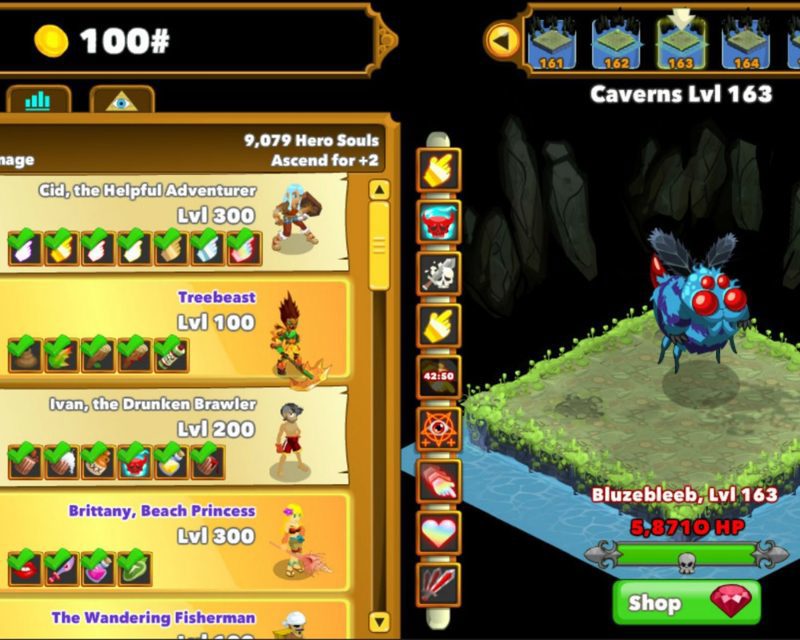
A future where AI is not controlled responsibly is a very dangerous one
AI gives people the freedom to create content that doesn't exist and learn from billions of other users online. While this definitely has its advantages, it's a highly dangerous tool in the wrong hands. Without more regulations and control over the development of this technology, there are real concerns about where things might end up. There will come a time when people have to question everything they see on the internet, and it doesn't feel like that time is too far in the future. It would be fine if all the content being produced was safe and wholesome, but it's not. From people having their likenesses used in adult content to politicians faking images to win more votes, AI poses a very real threat if not used responsibly.
AI is supposed to be a tool that helps us but we can't pretend there isn't a darkness to this intelligence, so could AI-generated content be damaging our health after all? Hopefully, things will soon improve so it stops controlling the way we think and feel before it's too late.
You May Also Like
 Finance
What to Put in Your Personal Money Checklist
 Finance
The Essential Financial Fraud Warning Signs
 Finance
How Big Should an Emergency Fund Be for You?