Everything To Know About Personal Credit Limits

With so many financial words constantly bouncing around, it can be tough to know what means what and what affects the money we earn, can borrow, and need to pay back. Personal credit limits might be one to add to the list, but they don't need to be as complicated as they might seem on the surface.
In fact, learning everything to know about personal credit limits could be all we need to understand more about our finances than ever before. The best bit? It might be the thing some of us need to get on top of our financial situation once and for all.
What is a personal credit limit?
A personal credit limit doesn't have to be as complicated as it sounds. Simply put, it's the maximum amount of credit that a financial institution is willing to lend to a client. This could be through a line of credit or something similar, like a credit card, and is usually determined through things like credit checks and financial history. Things like loan repayment history teamed with someone's personal income can also affect how much personal credit limit someone is entitled to.
What's the difference between secured and unsecured credit limits?
There is more than one type of personal credit limit, with unsecured credit limits typically making up things like credit cards. These are times when an institution lends someone money with no guarantee they will get the value back if someone fails to pay. While there are usually fines in place, there is nothing physical the lender can take in place of missed payments. On the other hand, secured credit limits mean someone has collateral against the loan, such as their house or vehicle.

What happens if someone goes over their credit limit?
Lenders will almost always check someone's financial history before lending any money, including when signing someone up for a personal credit limit. This means they likely won't give a high credit limit to someone deemed high-risk, but that doesn't always mean low-risk borrowers will repay. What happens if someone goes over their credit limit? Most of the time, there are fines in place, or lenders will place penalties on someone's regular payment.
What is available credit?
Available credit isn't the same thing as a credit limit. If you have a credit limit of $1,000 and have spent $200, your available credit is $800. Simply put, it's how much you have left against your personal credit limit after all the other spendings have been added together. Borrowers can continue to spend their available credit until they reach the max - so long as they keep up with the agreed repayments - but will face issues once they go over the maximum.
Can credit limits be changed?
There are times when credit limits can be changed. If someone always repays their bills on time and never maxes out their credit limit, there's a chance lenders could increase someone's personal credit limit. This can be a great way of improving your credit score and could even unlock access to cheaper credit cards. On the other hand, lenders often reserve the right to reduce personal credit limits at any time. While it's pretty uncommon, they might go down this route if someone fails to make repayments or if they are suddenly deemed to be high risk.
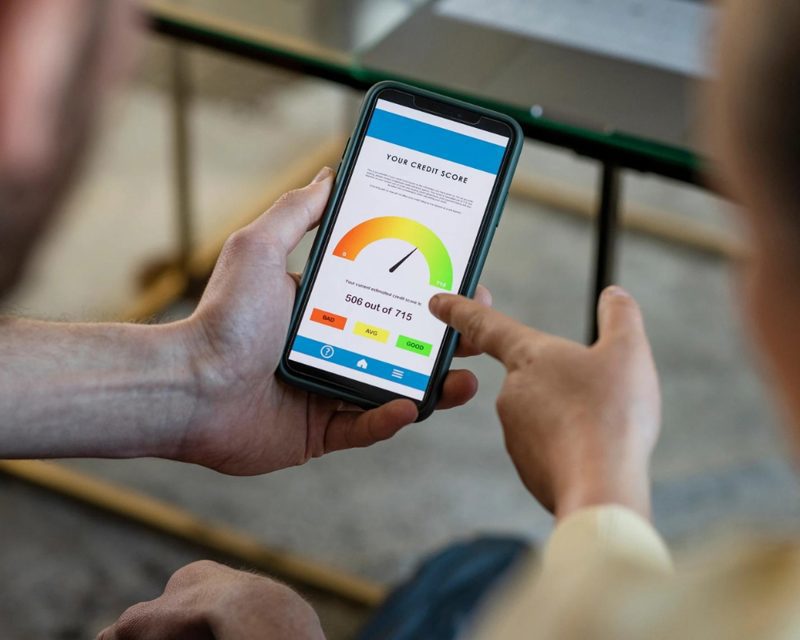
Do personal credit limits affect credit scores?
While it doesn't necessarily affect someone's credit score to have a personal credit limit, it can have knock-on effects. Many lenders want to ensure someone is trustworthy before lending any money, so having a credit card that you repay on a regular basis can work in your favor. On the other hand, it can also have huge consequences. Maxing out credit limits or constantly missing payments could have huge effects on credit scores, as it shows lenders you might be untrustworthy with money.
Learning everything to know about personal credit limits might seem daunting, but there might not be as much to it as many believe. While it's important to keep on top of the money we owe, having a credit limit could actually do wonderful things for our credit score if they're used in the right ways.
You May Also Like
 Finance
What to Put in Your Personal Money Checklist
 Finance
The Essential Financial Fraud Warning Signs
 Finance
How Big Should an Emergency Fund Be for You?